

oval vanity mirror with lights
Understanding Measurement The 4% Foot Level with Ruler When it comes to measurement, precision is key, and tools like rulers become essential in various fields such as architecture, carpentry, and education. One intriguing aspect of measurement is how seemingly small percentages can lead to significant implications in real-world applications. The concept of the 4% foot level often ties into height measurements, adjustments, and standards across different disciplines. In this article, we will explore what the 4% foot level signifies, its applications, and the importance of accurate measurement with tools like rulers. The Basics of Measurement To understand the essence of the 4% foot level, we must first discuss measurement itself. Measurement involves assigning numbers to physical quantities. Rulers provide a straightforward way to measure lengths, widths, and height. The typical ruler, often marked in both inches and centimeters, enables individuals to ascertain dimensions accurately. Rulers can come in various formats. For instance, a standard wooden ruler usually measures 12 inches long, while a metric ruler can measure up to 30 centimeters. Both rulers are divided into smaller increments, allowing for precise readings. In fields where precision is paramount, such as engineering or construction, even a slight miscalculation can result in significant errors. This is where the 4% foot level can come into play, dictating specific thresholds for measurements. The Concept of the 4% Foot Level The term “4% foot level” might not be universally defined, but it can refer to several specific situations related to design and structural integrity. Generally, in contexts like building codes or safety regulations, a 4% variance could relate to allowable tolerances in height or levelness to ensure safety and functionality. For instance, in sloped surfaces, adherence to the 4% foot level could mean maintaining the slope within acceptable limits for accessibility and safety. 4 foot level with ruler In the construction industry, understanding and maintaining proper levels is crucial. The 4% foot level could be a guideline for setting the maximum allowable slope of a ramp, surface, or other structures. For instance, a ramp designed for wheelchair access must comply with the Americans with Disabilities Act (ADA), which stipulates that the slope should not exceed 112 ratio, corresponding to roughly 8.33%. If we calculate a 4% grade, this translates to a slope of about 1 inch of rise for every 24 inches of run. This ensures that those who may have mobility challenges can access buildings and public spaces safely. Using a Ruler for Precision To achieve accuracy in measurements relating to the 4% foot level, using a ruler effectively is essential. When measuring a slope or an elevation, one can use a level ruler to determine if the incline adheres to the specified percentage. For instance, suppose you want to create a ramp with a grade of 4%. By extending the ruler horizontally to a length of 12 inches, you can measure the rise; a rise of 0.48 inches would denote compliance with the 4% level standard. In practical applications, not only architects and engineers benefit from these measurements, but also DIY enthusiasts and everyday individuals undertaking home projects. A simple measuring task can lead to effective and safe solutions when one follows guidelines like the 4% foot level. Conclusion In summary, understanding the concept of the 4% foot level in combination with using rulers for measurement is integral to achieving accuracy across various fields. Whether in construction, design, or personal projects, maintaining precision ensures adherence to safety and performance standards. With the right tools and knowledge, anyone can achieve effective measurements that foster safe environments and functional designs. As we navigate the complexities of measurement, it becomes evident that small percentages can carry considerable weight in creating accessible, safe, and efficient spaces. Embracing accurate measurement practices ultimately leads to better outcomes in our built environment and daily lives.
about
oval vanity mirror with lights
Understanding Level Frames Pricing A Detailed Insight Introduction to Level Frames Pricing In the realm of e-commerce and retail, pricing strategy is a critical aspect that influences buying decisions, customer satisfaction, and overall profitability. One relatively innovative approach gaining traction is level frames pricing. This pricing strategy focuses on creating distinct pricing tiers which not only helps customers understand the value of the products better but also enhances the seller’s ability to cater to various customer segments. In this article, we will explore the concept of level frames pricing in detail, discussing its significance, applications, and potential benefits for businesses. What is Level Frames Pricing? Level frames pricing essentially refers to a system of pricing that categorizes products or services into specific levels or tiers. Each tier represents a different price point along with varying features, benefits, or quality. This pricing structure is designed to appeal to different customer segments based on their budget, preferences, and needs. For example, a software company might offer three versions of its product a basic version at a low price, a standard version with additional features at a mid-range price, and a premium version with all features included at a higher price. This tiered approach allows customers to make informed decisions based on the perceived value of each offering. It also instills a sense of flexibility, as customers can choose the option that best aligns with their requirements and willingness to spend. Benefits of Level Frames Pricing 1. Enhanced Customer Decision-Making By providing clear options at different price points, customers can easily evaluate the trade-offs between price and added features. This transparency makes it easier for them to decide which product aligns with their needs, leading to higher satisfaction levels. 2. Increased Sales Opportunities Level frames pricing can attract a broader range of customers. Some customers may be price-sensitive and opt for the basic version, while others who seek premium features will gravitate towards the higher-end options. This diversity in product offerings increases the likelihood of making a sale to different customer segments. level frames pricing 3. Effective Market Segmentation This pricing framework allows businesses to segment their market efficiently. By offering levels that appeal to varying demographics, businesses can tailor their marketing strategies to target specific audience segments effectively. 4. Revenue Maximization When executed strategically, level frames pricing can lead to increased average transaction values. Customers who initially consider purchasing a lower-tier product might opt for a higher-tier version if they see significant value in the added features, thus maximizing revenue per transaction. 5. Reduced Price Sensitivity Tiered pricing can decrease customers' sensitivity to price changes. When customers perceive a clear value proposition in each tier, they are more likely to view any price changes as justifiable based on the features offered. Challenges of Level Frames Pricing While level frames pricing offers several advantages, it also comes with its challenges. One of the primary concerns is the potential for customer confusion. If the distinctions between tiers are not clearly communicated, customers may struggle to understand the differences and choose the wrong product. To mitigate this risk, businesses must ensure that their marketing materials are clear, concise, and informative. Another challenge is the risk of cannibalization, where customers who might have purchased a higher-tier product opt for a lower-tier option if they perceive it as sufficient for their needs. To minimize this, it’s crucial for businesses to create compelling reasons for customers to choose the higher-tier options. Conclusion Level frames pricing is an innovative approach that can significantly benefit businesses aiming to enhance customer experience and optimize sales. By creating a structured pricing strategy that caters to various customer segments, businesses can improve decision-making, increase sales opportunities, and maximize revenue. However, it is essential to navigate the associated challenges carefully to ensure the effectiveness of this pricing model. As consumers continue to seek value and tailor their purchases to meet specific needs, level frames pricing may well position businesses at the forefront of customer-centric strategies in the competitive retail landscape.
-

High quality industrial productsagement

High quality industrial products
View Details -

Meet the diverse needs of customers

Meet the diverse needs of customers
View Details -

Strict quality control

Strict quality control
View Details -

Top raw materials

Top raw materials
View Details -

Trusted supplier

Trusted supplier
View Details
Our application




news and information
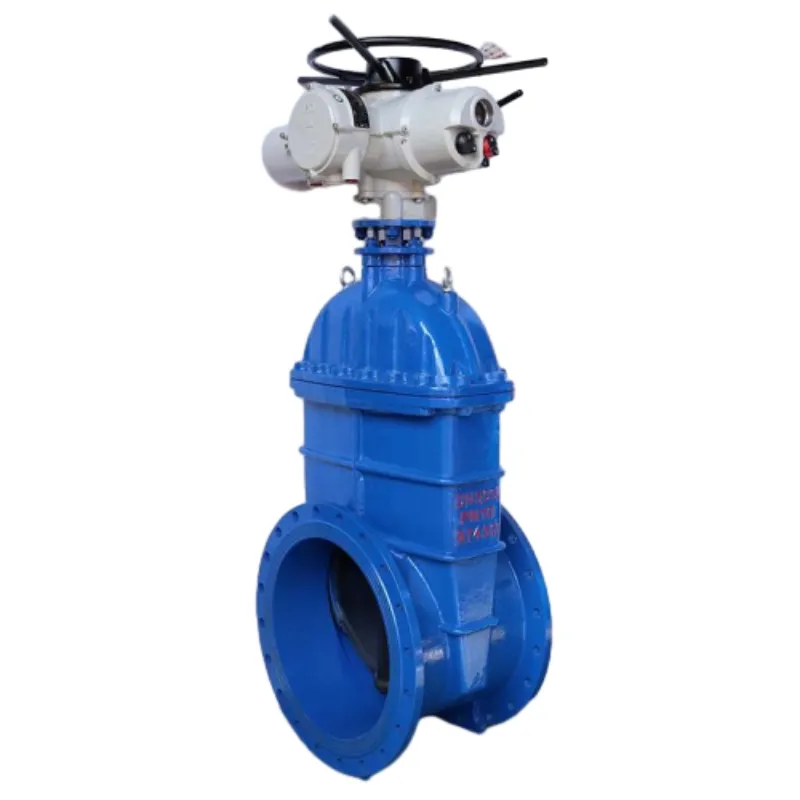
Wholesale Solutions for Valves and Related Products in the Industry
Exploring Valve Wholesale An Overview In the world of industrial applications, valves play a crucial

water valve gate
Understanding Water Valve Gates Their Functionality and Importance Water management is critical in v

which way to turn water valve off
Understanding Which Way to Turn Water Valves Off A Comprehensive Guide Water valves are essential co
 English